Let the product page answer customer questions
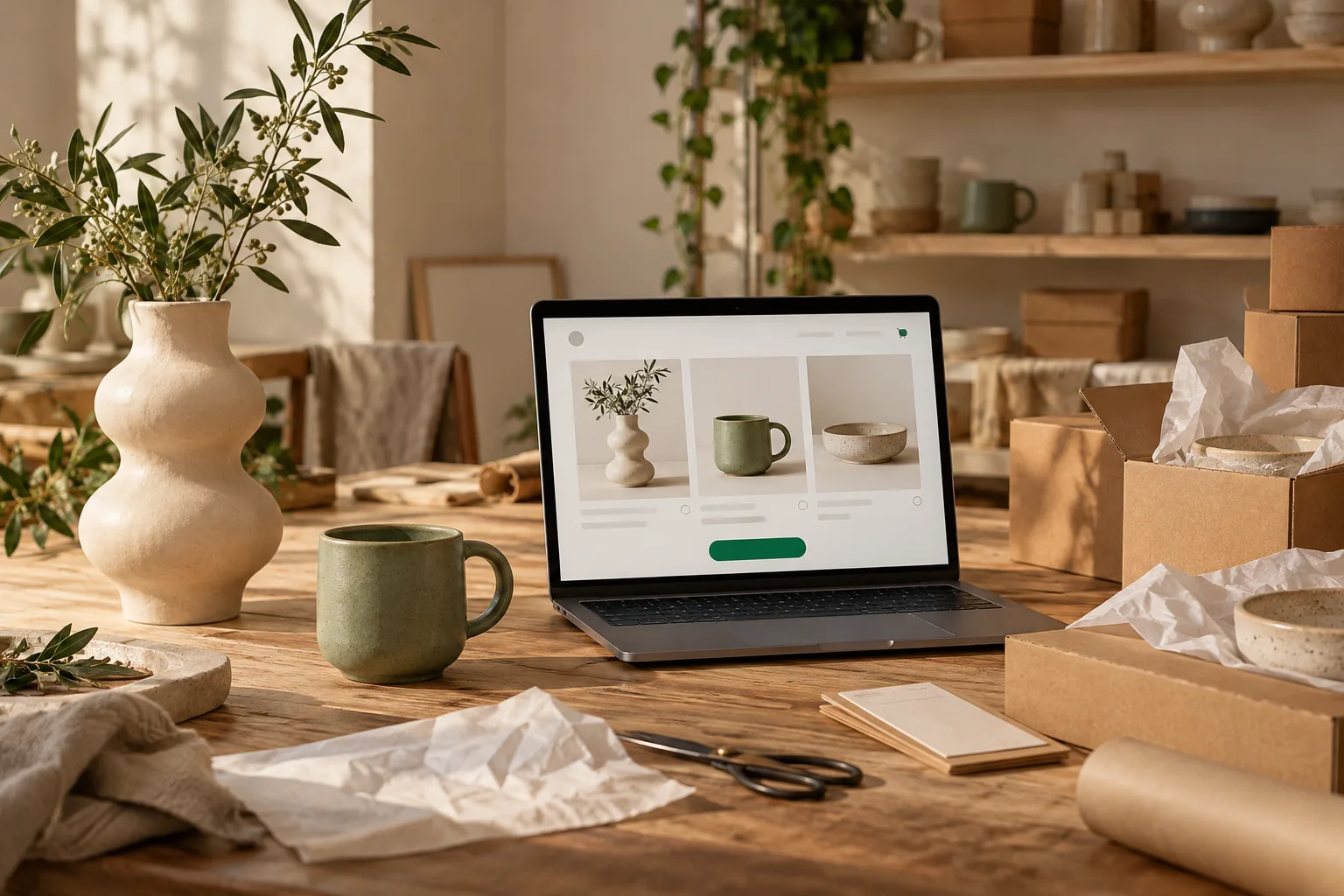
In a physical shop, customers can ask a salesperson. Online, the product page needs to explain the item, its uses, important specifications and what is included.
Show clear original photographs, relevant dimensions, price and availability. State delivery coverage and timing before the customer has to commit to an order.
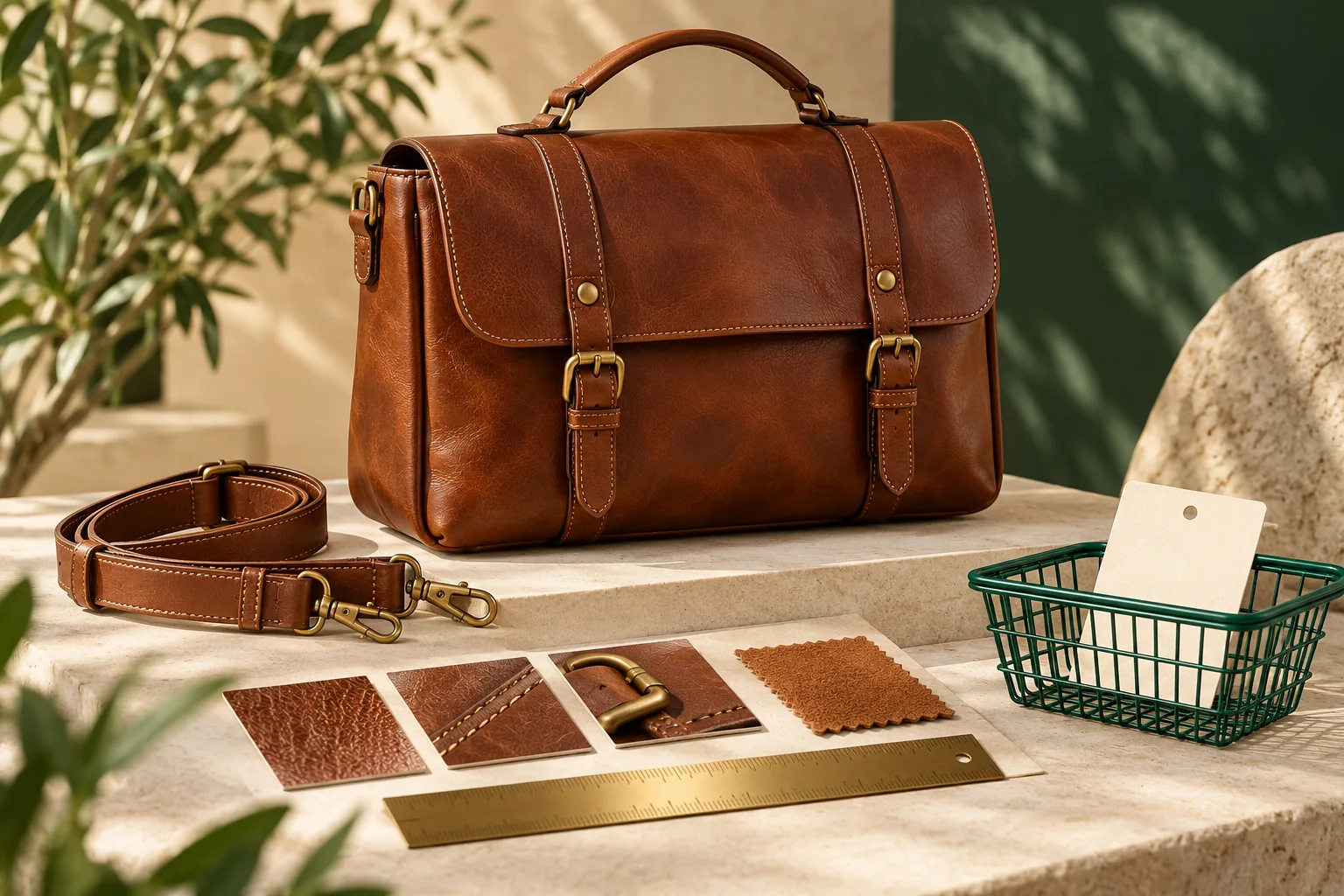
For a bag, “quality leather” is not enough information. Show the actual dimensions, fastening, strap length, compartments and included items. Explain relevant size limitations so the buyer can judge whether it suits their needs.
Remove avoidable friction
Unnecessary fields, repeated information and late disclosure of delivery costs can interrupt a purchase. Review the complete journey on a phone and a normal connection.
Information should appear when the customer needs it. Clarity is more useful than removing essential details just to make the page shorter.
Make the business and its terms easy to understand
Tell customers who operates the shop, how to follow up and what the delivery and return conditions are. Use accurate information and feedback from real customers.
Promise what the business can fulfill. A realistic delivery estimate is more useful than a faster promise you cannot keep.
Use simple observations to improve
Review the journey from viewing a product to starting an order and receiving confirmation. Repeated questions and abandoned steps can reveal confusion.
Change one important element at a time, such as the main photo or delivery explanation, and allow time to understand the result before changing everything again.